
VTOL DRONES – PRESENT COMMERCIAL
USE CASES
UAVs Commercial Use Cases – Present & Emerging
Unmanned Aerial Vehicles are transforming the industry, from energy and utilities to agriculture, logistics, and healthcare.
Commercial applications include surveying and mapping, inspection, photography and filming, spraying and seeding, and delivery.
UAV use has increased efficiency, reduced costs, and improved safety. As the technology continues to develop, the worldwide UAV market is expected to expand significantly.
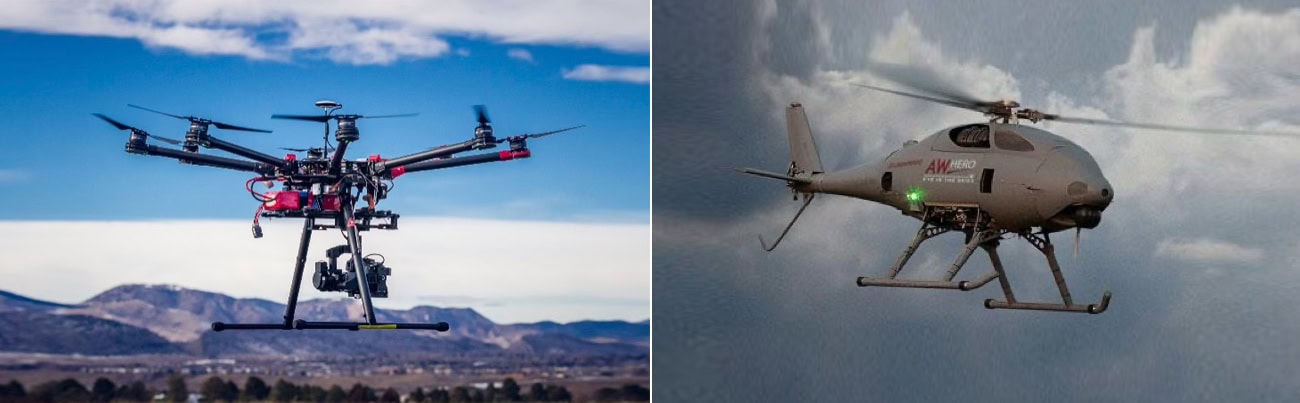
One of the biggest limitations of the current technology is the limited range and endurance of most commercially available VTOL UAV’s. Due to its simplicity and low cost, the speed-controlled multi-rotor system is likely to remain the logical platform for low to medium-endurance operations.
For operations requiring greater endurance, there is a presently existing technology gap. Multi-rotors, including hybrids, have energy density and control-authority limitations that place them in the low to medium speed and endurance bracket.
At present the only commercially available options for truly practical and long-endurance VTOL operations are helicopter-type UAV platforms.

Theyron UAV
Theyron UAV have developed a completely new rotor control system that can provide a range, endurance and load-carrying capacity, comparable to high-end helicopter-type UAVs while maintaining a cost and operating simplicity much closer to that of the multi-rotor type UAV.
This puts our system in a position to enter and disrupt many existing commercial operations that could benefit from the increased endurance, speed, range and utility that our system has to offer.
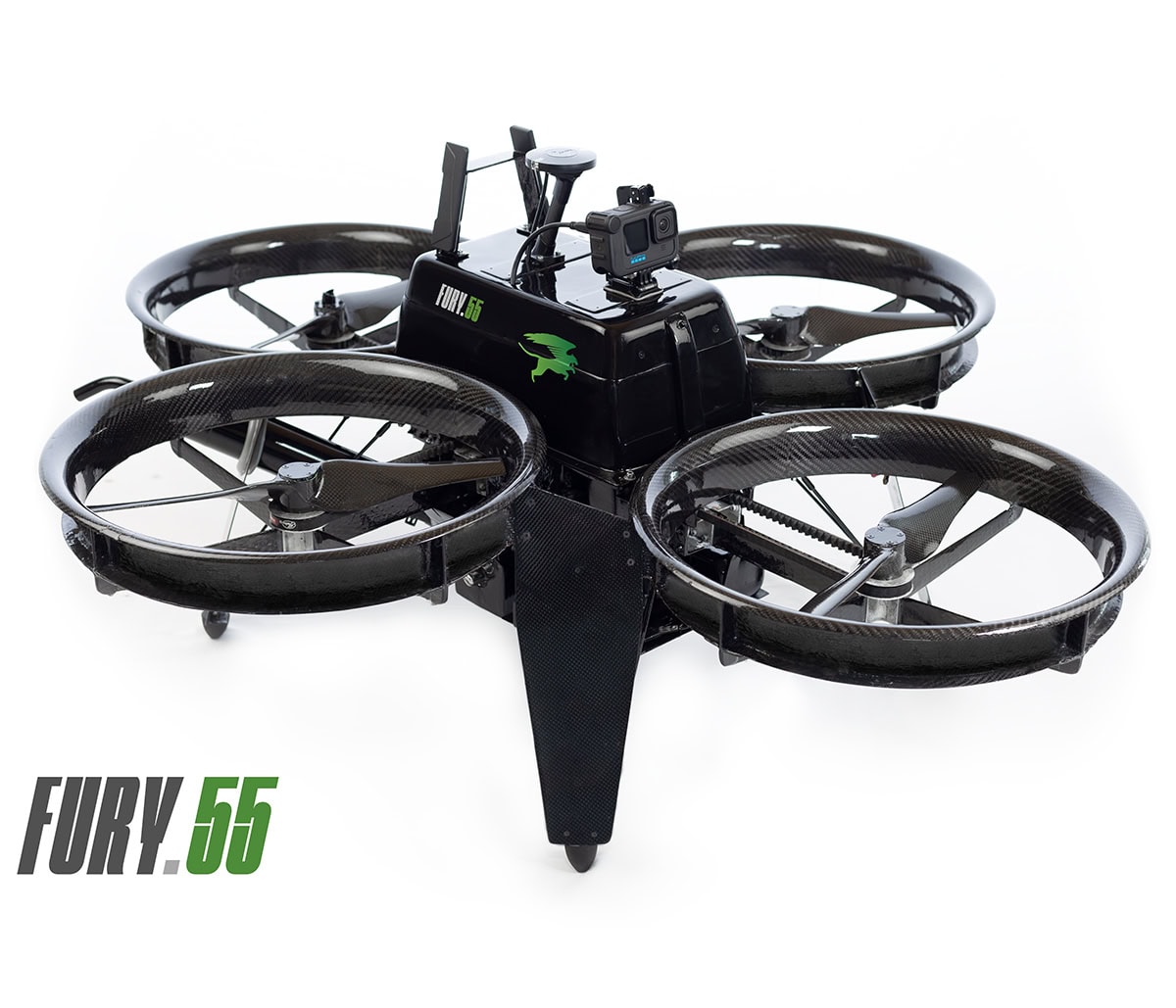
Presently, most commercial UAV operations involve creating some form of digital copy of the physical world. Using computer photogrammetry, Lidar and deep neural networks, UAV vision is increasingly able to see and understand the world around it. Combined with AI assisted automated 3D scanning software’s capable of inspecting and understanding complex structures, the creation of millimetre scale 3D models and digital twins is becoming more accessible.
Using AI-powered real-time adaptive modelling and obstacle avoidance, UAV systems are becoming increasingly capable of fully autonomous flight operations and workflow processing.
Surveying and Mapping
High-resolution Photogrammetry and Lidar are combined with software and AI packages to create sophisticated 3D models and digital twins.
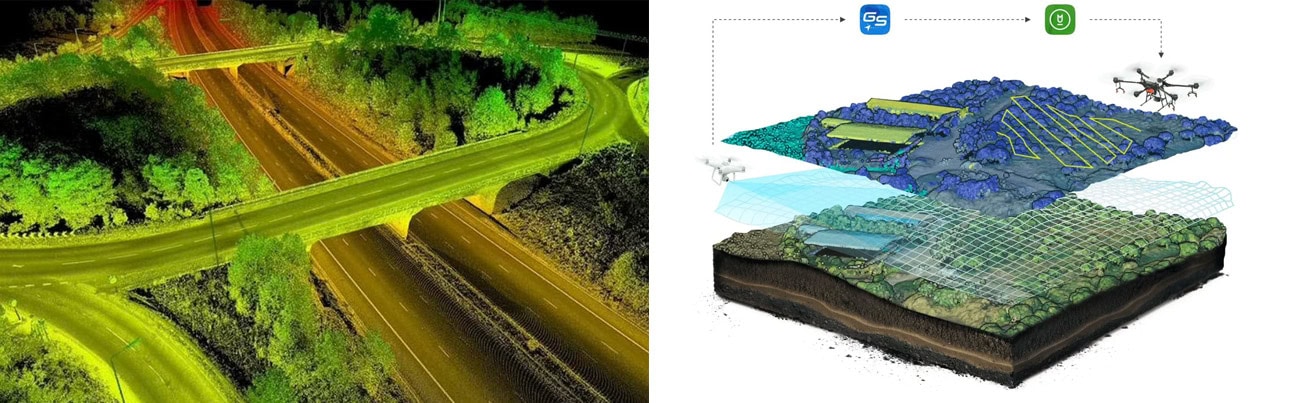
Fully automated data capture using UAV enables increasingly widespread surveying and mapping applications and opens the door to many other applications.
Construction and Mining
Sophisticated 3D models and digital twins of existing facilities and construction projects are produced using AI-automated UAV flights and uploaded to cloud-based spatial inspection platforms. Able to furnish secure high-resolution 3D asset inspection and site capture data to stakeholders and contractors. Providing design tools, situational awareness, and site progress for widely distributed locations and assets.
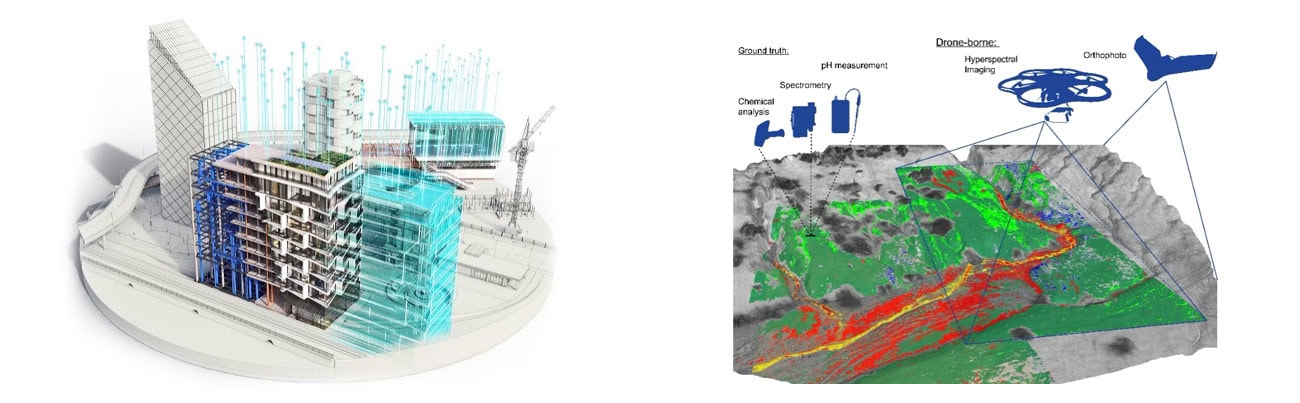
UAV’s are increasingly being employed in raw materials exploration and mining. Multispectral and thermal imaging cameras, combined with mining-specific analysis platforms are becoming indispensable in mining operations and are revolutionising mining safety.
Agriculture and Environment
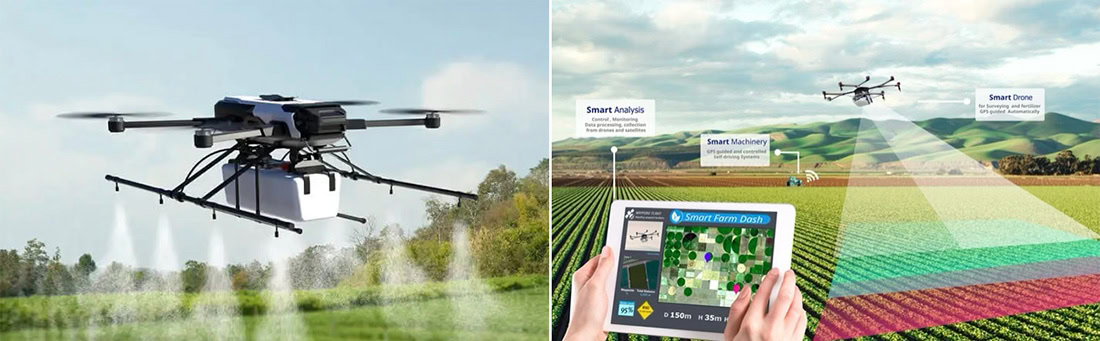
Aerial crop spraying, fertilizing and seeding, appear to be presently the fastest-growing sector of UAV adoption. Increasingly large and sophisticated UAV machines, developed specifically for physical agricultural operations are achieving streamlined use within commercial agriculture. Large numbers of UAV’s are also being used to obtain multispectral and thermal imaging data for agricultural analysis for water, soil and crop management.
Utilities And Asset Inspection
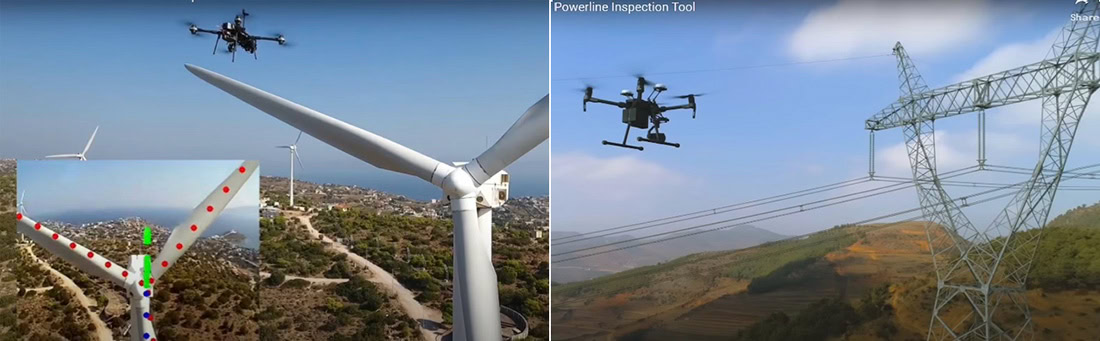
Automated flights of UAV-based vision systems are routinely used to create thermal ortho-mosaics to gather initial base-line data along with recurring inspections to identify faults and heat differences to identify defects and track changes over time. The sheer scale of existing power distribution grids, along with the growth of renewable-energy infrastructure make the need for a practical long-range UAV air platform increasingly apparent.
Beyond Visual Line Of Sight
BVLOS is an important key to fully realising the commercial potentials of many UAV operations.
Currently being streamlined within aviation authorities worldwide, UAV BVLOS operation leverages existing and maturing technologies. Increasingly sophisticated situational awareness and obstacle avoidance coupled with secure, and potentially infinitely long-range telemetry and remote-station multi-vehicle piloting are revolutionising many industries and have considerable potential for future development.
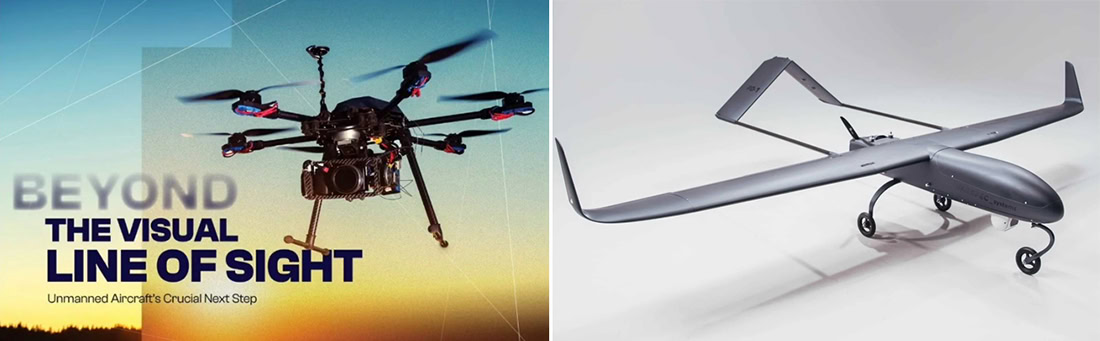
Fixed-wing UAV’s are currently making the widest use of BVLOS connectivity. Efficient fixed-wing flight, coupled with the ability to leverage energy-dense fuel types, allows for configuration to the longer distances and flight-times that are logical for BVLOS use.
For practical reasons, a high proportion of commercial UAV operations require full VTOL capability. For short to medium-endurance applications, the simpler utility and lower costs of the electric multi-rotor system make it the logical choice, and this is reflected in the numbers being used. For long-endurance and BVLOS operations requiring full VTOL capability, the field is not currently served as well by the currently available airframe technology.
Internal combustion-powered hybrid multi-rotors can provide extended range and endurance by leveraging energy-dense fuel types. Most commercial hybrids are reasonably priced and have a simple operational utility. However, they retain the multi-rotor control authority limitations.
Combined with the higher machinery-weight percentage inherent to the hybrid’s generator/multi-rotor combination, this results in lower useful load percentages along with a speed performance and wind resistance well below that of the helicopter-type UAV.
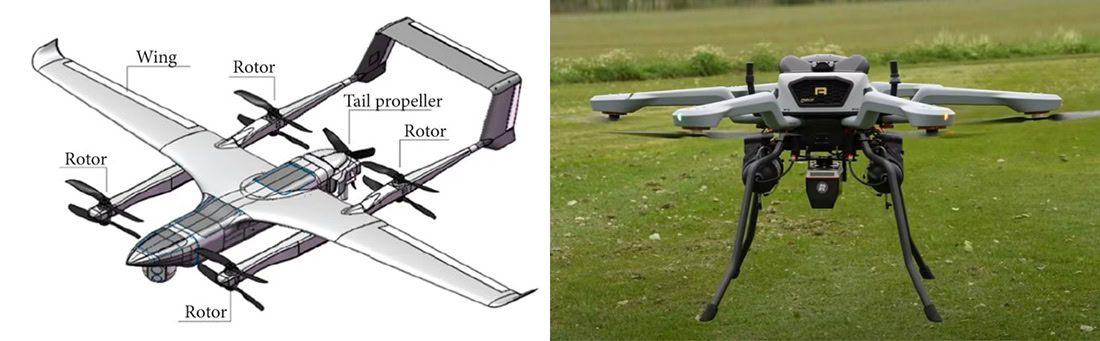
Fixed-wing hybrids have several advantages and are well-represented in some BVLOS applications. Utilising the electric multi-rotor system for vertical take-off and landing, combined with a fixed-wing and horizontal propellor combination for forward flight.
This allows for translational flight efficiencies approaching that of a fixed-wing-only type UAV. Also capable of configuration with internal combustion powerplant options for forward flight propulsion and power generation during flight to provide further range increases.
The fixed-wing hybrid however is not a ‘True VTOL’ UAV. It requires an airborne take-off roll to transition between hover and forward flight along with a corresponding transition phase back to hover before landing. The resultant longer flight-cycle times combined with the large area footprint and lower useful load percentages of the winged hybrid, preclude it from practical use with several commercial VTOL applications, notably aerial spraying.
Also, surveying and inspection operations require close manoeuvrability and periodic hovering or frequent take-off and landing cycles.
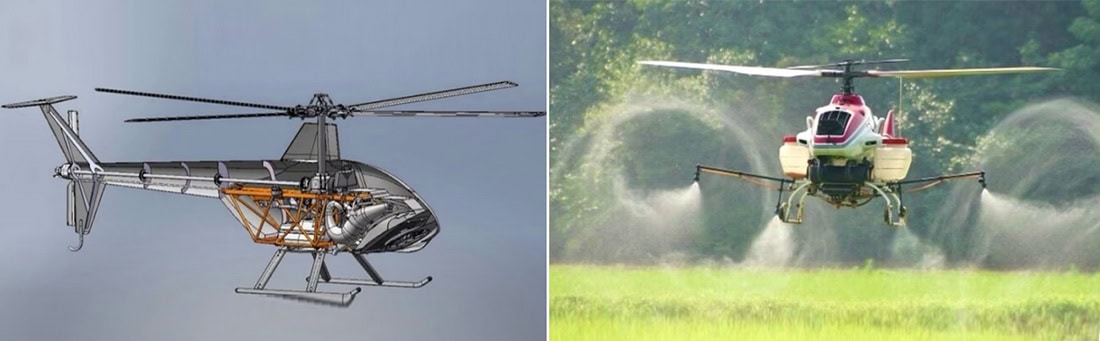
Helicopter Type UAV
Presently the only practical and commercially available full VTOL platform, able to provide a genuinely effective endurance and load-carrying performance, combined with higher speeds and wind resistance, is the helicopter-type UAV.
The cyclic/collective, rotor control system employed by helicopter UAV has an inherently greater control authority compared to that of the speed-control multi-rotor system and is therefore able to operate with greater control at the more efficient lower disc-loadings. The helicopter flight system also enables the configuration of powerplant options utilising energy-dense fuel types for longer range and endurance operations.
The chief limitations of Helicopter-type UAV’s, are the higher cost and complexity of the aircraft, higher operations costs, along with a need for greater training of flight operations and engineering support staff. There are also helicopter-specific flight-envelope limitations including ring-state-vortex, retreating-blade-stall, dynamic-roll-over and ground-resonance that need to be factored as operational limitations of the traditional helicopter rotor control system.
Flight envelope limitations, combined with the ground-handling complexities specific to the helicopter rotor control system, raise the technical threshold for autonomous flight operations, particularly for fully automated take-off and landing applications.
As a result, for economic and technical reasons, many UAV operators are presently forced to remain with multi-rotor platforms, often needing to employ cumbersome, ad-hoc methods of operation to circumvent the increasing need for range and endurance.
The Endurance Bottleneck
Currently, the single most recurring image of commercial UAV use is that of UAV pilots kneeling about on the ground to prepare and operate a multirotor for some short, localised flight. Often they need to vehicle-redeploy several times around a particular site of operations to accomplish a single overall surveying task from different fly-off points.
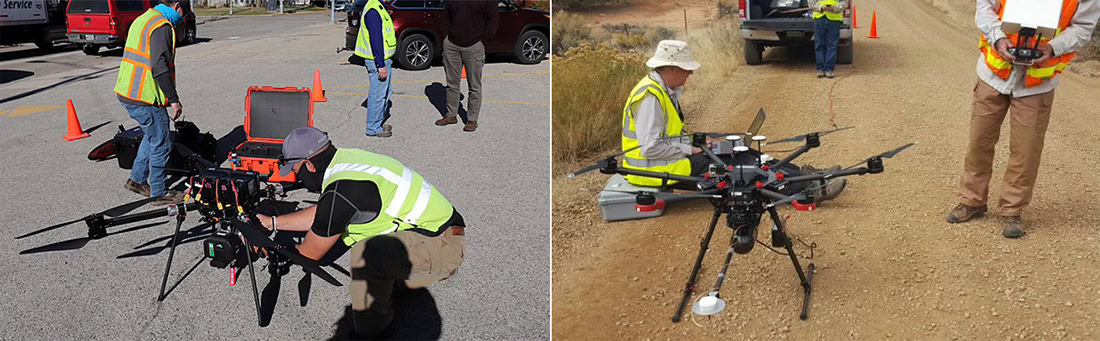
This situation will certainly be looked back on as the Windows 95 period of UAV development. While great advances are being made in UAV vision and automation along with increasingly secure BVLOS and remote piloting, the same cannot be said about the currently available underlying VTOL air platform hardware.
The industry’s biggest obstacle to most commercial UAV operations is the lack of a technically simple and commercially viable long-endurance air platform.
The Currently Existing Technology Gap in VTOL DRONES
On the one hand, the electric multi-rotor UAV platform provides simple economic utility for a large number, of commercial use cases, but it is limited in the endurance, speed and range of its operations.
On the other hand, commercially available helicopter UAV’s provide impressive endurance, speed and payload-carrying combinations, but they have such inherently higher costs and operating complexities that it is difficult for them to compete economically with multi-rotors.
The result is that a high number of UAV operations that could otherwise benefit from the range and streamlining of a longer endurance air-platform, find themselves limited by the currently available technology and economics.
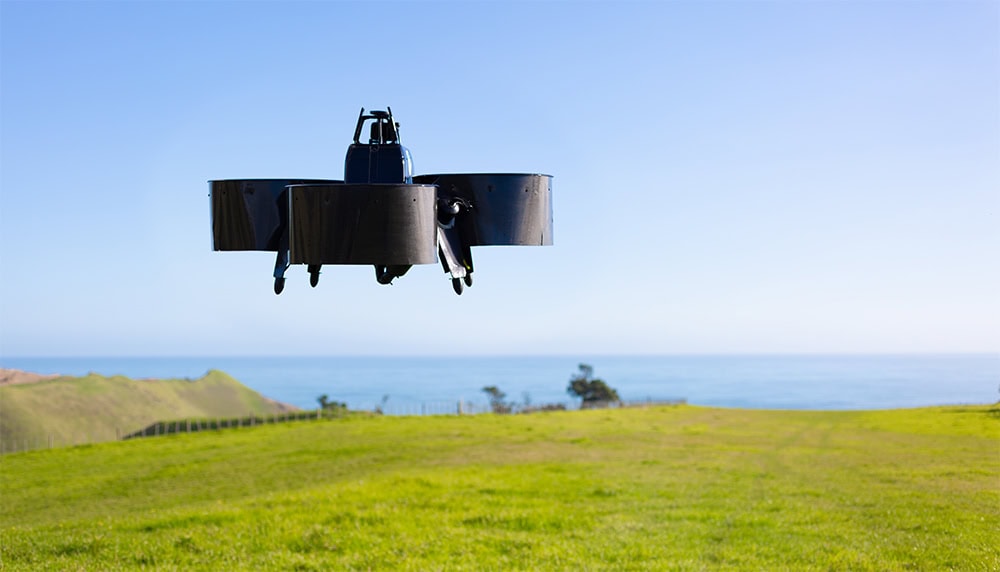
Summarising

The Theyron UAV
platform
Our platform has been developed to bridge this gap.
It is based on a completely new rotor-control system that can provide a level of control and endurance comparable to that of the helicopter UAV but with a cost and operating simplicity much closer to that of the electric multi-rotor.

The presently existing technology gap
The gap in VTOL UAV presents the opportunity for our system to directly enter a wide number of commercial UAV operations.
Our performance and cost advantages create the potential not only for broadening and streamlining VTOL UAV operations but also to revolutionise the economics of several existing commercial operations.

Our secure intellectual property
Our Intellectual property presents opportunities to existing UAV stakeholders and developers. We are presently seeking collaboration with operators who could benefit from the early adoption of our platform.
We plan to negotiate strategic franchise advantages to early adopters, effectively allowing them the ability to leverage our IP to gain and control technology-based advantages in their fields of operation.
This could be in the form of a region-specific / use-case-specific franchise agreement for the ongoing exclusive use of, or development based on our technology.

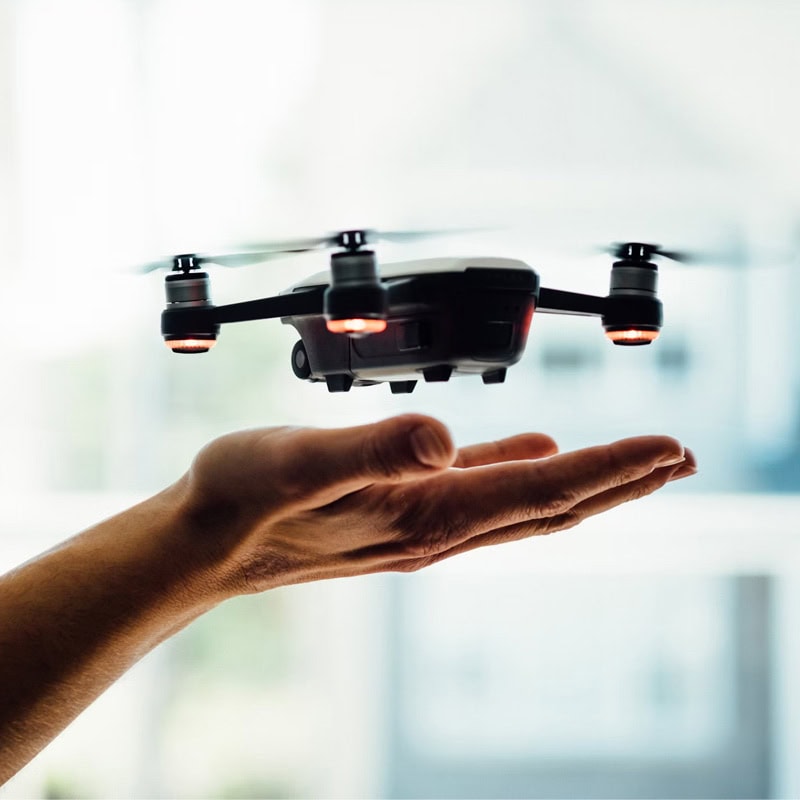

Explore how our innovative rotor control system can transform your UAV operations.
Inquire:
* Required Fields.
Before contacting us via the portal, please ensure that you have thoroughly read the material presented on our website.